Tips for Eco-Friendly Kitchen Remodeling That Saves Energy.
Introduction
In the world we inhabit today, sustainability and energy efficiency have become paramount. Homeowners are increasingly looking for ways to reduce their carbon footprint while still creating beautiful and functional spaces. One area where this trend is particularly prevalent is in kitchen remodeling. The kitchen is often considered the heart of the home, a place where families gather, meals are prepared, and memories are made. However, it can also be one of the biggest energy consumers in a house.
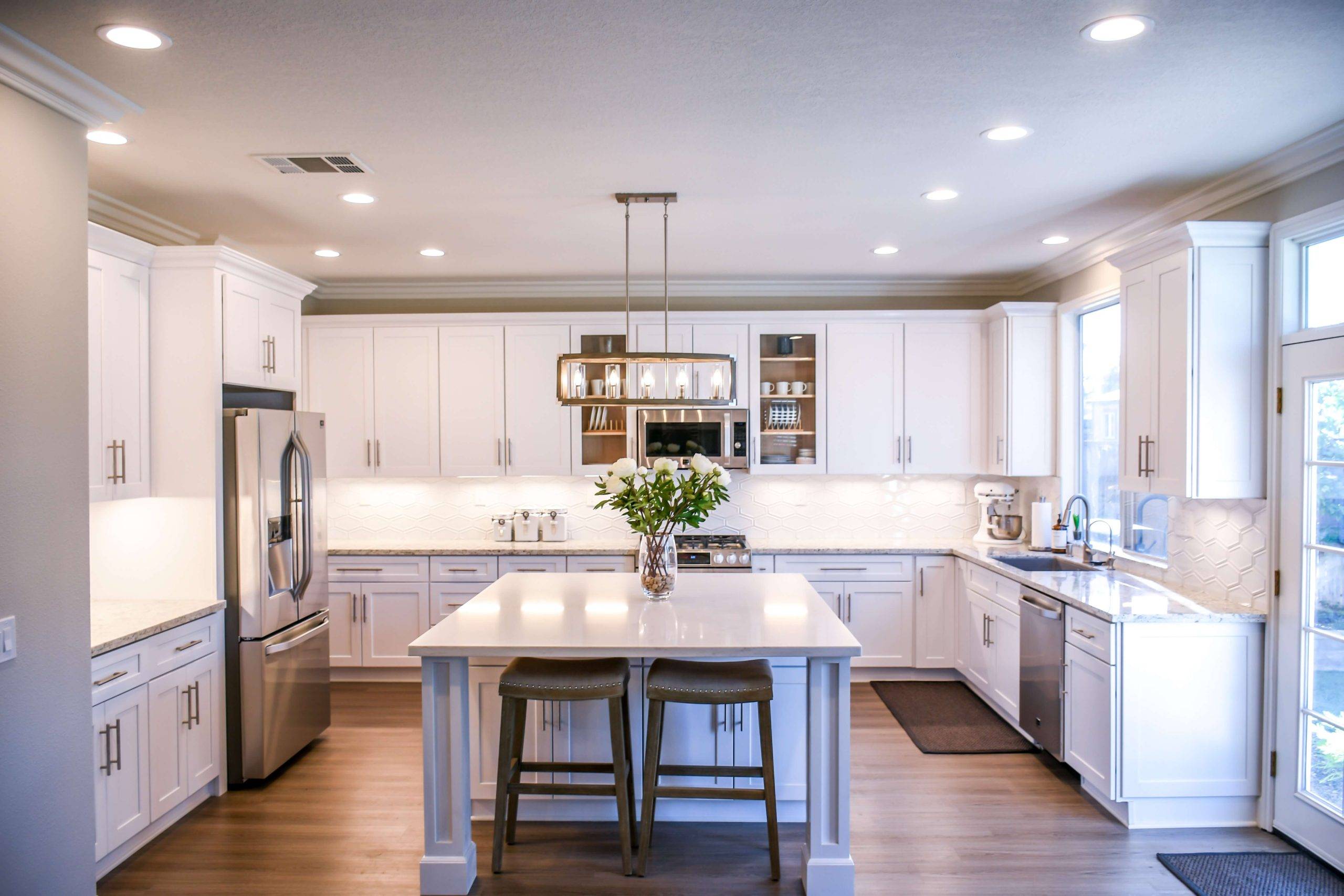
This article will delve into Tips for Eco-Friendly Kitchen Remodeling That Saves Energy, offering guidance on how to make your kitchen more sustainable without sacrificing style or functionality. Whether you’re looking for local kitchen remodel contractors or simply seeking advice on how to incorporate green practices into your project, this guide has you covered.
Understanding Eco-Friendly Kitchen Remodeling
What Does Eco-Friendly Mean?
When we talk about eco-friendly kitchen remodeling, we're referring to practices that minimize environmental impact. This includes using sustainable materials, reducing waste during renovations, and incorporating energy-efficient appliances and fixtures.
Why Choose Eco-Friendly Options?
Choosing eco-friendly options not only benefits the planet but can also save you money in the long run through reduced energy bills. Plus, many eco-friendly materials offer unique aesthetic qualities that can enhance your kitchen's design.
Tips for Eco-Friendly Kitchen Remodeling That Saves Energy
1. Choose Sustainable Materials
What Are Sustainable Materials?
Sustainable materials are those sourced responsibly and produced with minimal environmental impact. Examples include bamboo, reclaimed wood, recycled glass, and low-VOC paints.
Benefits of Using Sustainable Materials
- Durability: Many sustainable materials outlast traditional options. Aesthetic Appeal: Unique textures and colors can elevate your kitchen design. Healthier Indoor Air Quality: Low-VOC options contribute to better indoor air quality.
2. Opt for Energy-Efficient Appliances
Why Are Energy-Efficient Appliances Important?
Energy-efficient appliances consume less power than standard models. The U.S. Department of Energy provides an Energy Star rating to signify appliances that meet strict efficiency guidelines.
Popular Energy-Efficient Options
- Refrigerators Dishwashers Ovens Cooktops
3. Improve Insulation and Ventilation
How Does Insulation Affect Your Kitchen?
Proper insulation helps maintain temperature control in your kitchen, reducing the need for heating or cooling systems to work overtime.
Ventilation Solutions
Consider installing range hoods that vent outside rather than recirculating air back into your home. This promotes better air quality while minimizing energy use.
4. Incorporate Natural Lighting
Why Is Natural Light Essential?
Natural light reduces reliance on artificial lighting during daytime hours https://rentry.co/irmgo2gq and creates a warm atmosphere.

Ways to Enhance Natural Light
- Skylights Large windows Glass doors Open floor plans
Designing an Energy-Efficient Layout
5. Create Efficient Work Zones
What Are Work Zones?
Work zones refer to specific areas designated for particular tasks such as cooking, cleaning, or prep work within the kitchen layout.
Benefits of Defined Work Zones
Creating efficient work zones enhances workflow and minimizes unnecessary movement throughout the space—saving time and energy!
6. Utilize Smart Technology
How Can Smart Tech Help Save Energy?
Smart technology allows homeowners to monitor appliance usage remotely and optimize their operations based on real-time data.
Examples of Smart Tech in Kitchens:
- Smart thermostats Wi-Fi-enabled appliances Automated lighting systems
Water Conservation Strategies in Kitchen Remodeling
7. Install Low-Flow Faucets
What Are Low-Flow Faucets?
Low-flow faucets restrict water flow without sacrificing pressure, effectively reducing water consumption by up to 30%.
8. Consider Tankless Water Heaters
How Do Tankless Water Heaters Work?
Tankless water heaters provide hot water on demand rather than maintaining a reservoir of heated water—this saves both energy and space!
Waste Reduction Techniques During Remodeling
9. Recycling Old Materials
How Can You Recycle Old Fixtures?
Rather than tossing old cabinets or countertops into a landfill, consider donating them or recycling them with local reclamation services.
10. Plan Efficiently to Minimize Waste
How Does Planning Reduce Waste?
A well-thought-out plan ensures that all new materials fit perfectly into your design without excess scrap leftover after installation.
The Role of Local Contractors in Sustainable Projects
11. Finding Local Bathroom Remodeling Contractors Near Me
If you're also considering bathroom renovations alongside your kitchen remodels, it's vital to connect with reliable professionals specializing in eco-friendly practices like local bathroom remodeling contractors near me who understand sustainable solutions tailored specifically for homes like yours.
FAQs About Eco-Friendly Kitchen Remodeling
FAQ 1: What are some cost-effective ways to remodel my kitchen sustainably?
You might consider using reclaimed wood for cabinetry or opting for paint with low VOCs as affordable yet eco-friendly choices during renovation.
FAQ 2: Can I find green remodeling contractors near me?
Absolutely! Searching online directories using terms like "home improvement contractors near me" can yield local results focused on sustainable practices.
FAQ 3: Will using eco-friendly materials increase my remodeling costs?
While some sustainable products may come at a higher price point initially, they often lead to long-term savings due to durability and lower utility bills over time.
FAQ 4: How much energy can I save by upgrading my appliances?
Energy-efficient appliances could save you anywhere from $50-$200 annually depending on usage patterns compared with older models!
FAQ 5: Is it possible for small kitchens to go green?
Definitely! Small changes like installing under-cabinet LED lighting or utilizing space-saving storage solutions can significantly impact efficiency without compromising aesthetics!
FAQ 6: Should I hire specialists specifically known for eco-friendly home renovations?
Yes! Engaging experts familiar with environmentally responsible methods ensures optimal results while aligning with sustainability goals throughout your remodel project!
Conclusion
Embarking on an eco-friendly kitchen remodel is not just about adopting trendy designs but rather committing yourself towards creating a more sustainable living environment—one where both functionality meets ecological responsibility! By implementing these tips throughout every stage of planning & execution—from sustainable material choices down through thoughtful layouts—you’ll be well-equipped not only transform your own culinary space but also contribute positively towards preserving our planet’s resources too!
Remember that integrating sustainability into home improvement projects doesn’t need complexity; it requires mindful decisions backed by informed choices supported through reliable partnerships with skilled professionals within this field—like Laguna Bay Developing & Newport Beach Bathroom Remodeling teams among others!
Whether you're searching keywords such as "home renovation contractors," “bathroom renovation contractors,” or simply looking up “kitchen remodel contractors,” always prioritize sustainability—it’s an investment worth making today—for tomorrow’s generations ahead!